A clean duct system quietly saves you money and keeps people breathing easier, but the way you clean it matters. I have walked enough rooftops at sunrise, helmet hair and coffee in hand, to know that two crews can deliver the same shiny ducts and leave completely different footprints behind. One leaves diesel haze, perfumed biocide, and a dumpster full of single-use plastics. The other leaves cleaner air indoors, a light touch on the planet, and a power bill that drops a percent or two. The difference lives in method, not magic.
Commercial duct cleaning is a broad church. At one end you have light dust removal in a small office suite. At the other you have a midnight intervention for a 20-story tower with internal fiberglass lining, kitchen grease carryover, and construction debris baked into every turning vane. Eco-friendly is not a single product in a green bottle. It is a stack of choices that, together, lower resource use, chemical load, noise, and rework.
What “eco-friendly” really means in this trade
The phrase gets abused. In the context of commercial duct cleaning, I look at five angles: power, capture, chemistry, waste, and outcomes. Power means how much energy the process uses and where it comes from. Capture is how well the system keeps contaminants from re-entering the building. Chemistry covers what you introduce to coil fins, duct liner, and the breathing zone. Waste is the bags, filters, rinse water, and access panel cutouts you leave behind. Outcomes are the long tail: cleaner coils, lower fan static, better indoor air quality, and less frequent repeat cleaning.
You will not get all five perfect on every job. The trick is picking the combination that fits the building, the budget, and the risk profile without handing future-you a problem in a different category. An airport terminal with 24/7 occupancy, sensitive noses, and tight security will want a different playbook than an idle warehouse.
Clean only what needs cleaning
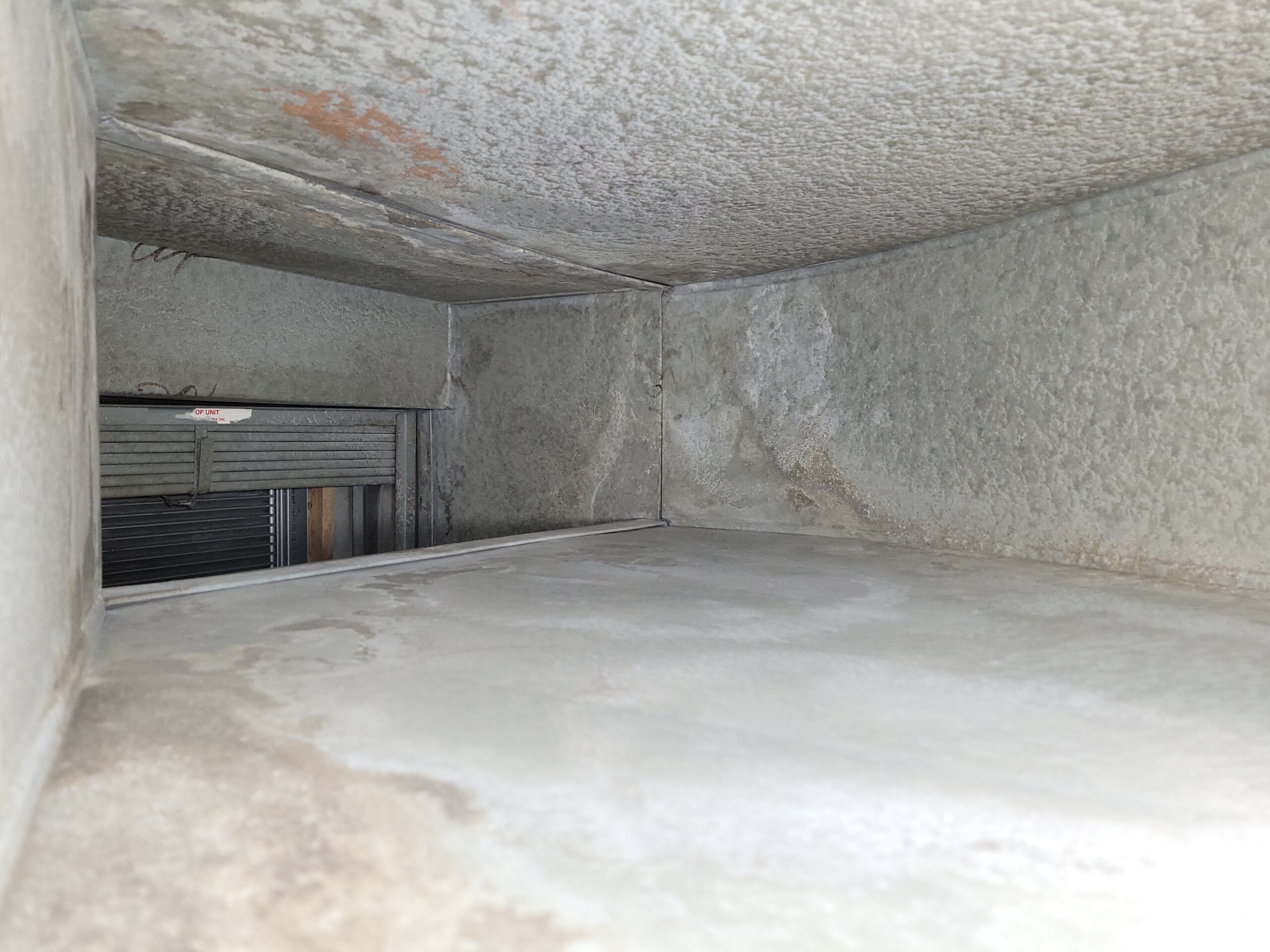
The greenest pass is the one you do not make. The industry standard, ACR by NADCA, centers on inspection before cleaning. In practice, that means opening a representative spread of access points and returns, reviewing fan housings and coils, and running a video or robot camera through suspect trunks. If the sanitation and dust metrics pass, you document and walk. That is not romantic, but it is honest and it keeps carbon and cost off the ledger.
I once inherited a property manager who treated duct cleaning like a subscription. Every spring, no matter what, they would approve a building-wide scrub. When we started doing scoped inspections instead, half of those wings moved to a monitor-only cadence. The savings paid for better filtration at the air handlers and a variable frequency drive on a problem child fan. Complaints dropped, energy tracked down, and we cleaned less, not more.
Containment and filtration, the quiet backbone
If you remember one thing, make it this: capture determines whether cleaning actually improves indoor air. A green process with sloppy containment does not count.
Modern negative air machines with true HEPA filtration do the heavy lifting. Look for machines with high-efficiency electronically commutated motors, variable speed, and a tight duct connection. The old belt-driven units move plenty of air, but they are loud, power-hungry, and leaky if you do not babysit the ducting. You want every gram of dislodged material to see HEPA before it sees your lobby.
On large jobs, I prefer to stage machines inside the building and tie into temporary power rather than idling a diesel trailer outside. If local code or logistics force an outdoor unit, long sealed hoses and pressure monitoring help confirm you are not drafting dust at every tape joint. The crew should run manometers or digital pressure gauges at access points and maintain negative pressure inside the duct during agitation. Photo documentation is not only for clients, it is for your own quality control.
Containment bleeds into housekeeping. Poly sheeting should be reusable when possible, or at least right-sized. Clean gaskets, proper zip poles, and zipper doors cost pennies compared to returning to clear a layer of fine dust off a white conference table. Good containment is a morale booster too. People who do not have to apologize to occupants will take more pride in their work.
Dry versus wet: choosing the right media
Most dust wants to be coaxed, not drowned. Mechanical agitation, compressed air whips, and rotary brushes cover the majority of commercial duct cleaning. These dry methods keep water out of duct liners and insulation, which is good because moisture plus porous surfaces creates a mold risk that nobody wants to own. I ask for oil-free compressed air, either from electric compressors or well-maintained units with condensate traps and oil separators. Oil mist in supply trunks is a gift that keeps on giving.
Dry ice blasting has a place. It can be a tidy option for burnt-on residues and heavy post-construction contamination on bare metal, since the CO2 pellets sublimate and leave only the loosened debris to capture. It is not magic. You still need strong negative pressure at the blast site, PPE for crew, and a plan for noise sensitive spaces. Do not use it on delicate duct liner or anywhere you cannot control ricochet.
Wet cleaning belongs on coils, drain pans, and the occasional greasy exhaust crossover. If water enters the duct proper, it should be deliberate and sparing, with rapid drying and verification. Alkaline cleaners for coils have become much milder over the past decade, and many good products are water-based and low VOC. Enzyme cleaners can help with biological film on pans and plenums, but they need dwell time and temperate conditions to earn their keep.
The chemistry question, answered without perfume
There are times when a disinfectant is justified: confirmed microbial growth, a building recovery after a water incident, or a healthcare wing with clinical requirements. Strong chemicals work, but you pay for them in respiratory irritation, disposal rules, and public perception. Three notes from the field:
- Botanical disinfectants using thymol or citric acid can do the job for light to moderate microbial control with less odor and fewer sensitization issues. They still require proper ventilation and PPE. Hydrogen peroxide based products, especially vapor or fog, can reach complex geometries. They are not a shortcut. You must protect electronics, verify concentration, and allow for aeration before occupancy. Broad-spectrum quats and phenolics are effective, but they linger. I use them as a last resort in unoccupied ducts, and I insist on clear re-occupancy timings and post-application ventilation.
The green path most days is no disinfectant at all, just physical removal, followed by improved filtration and humidity control. If your process leaves a perfume, you have added something people did not ask for.
Access with a light touch
Every access cut is a future leak if you are careless. Eco-friendly does not end at the bagged dust. Use properly sized, reusable access doors with gaskets rated for duct pressure and temperature. Tape-and-scrap patches invite waste and callbacks. Mastic and sealants should be water-based and low VOC, with drying times that respect the schedule. Keep screws and shavings out of the airstream with magnets and cleanout after drilling. If the duct is internally lined, pre-score the liner and cap the cut edges to prevent fraying and fiber shed. This is boring work. Boring is good. Boring keeps fans quiet and energy bills tame.
Energy and IAQ, the payoffs that last
Duct cleaning sells on photos, but the lasting value lives in numbers. Extra static pressure across dirty components makes fans work harder. The fan affinity laws are not theory on a whiteboard. A modest 0.3 inches of water gauge added across coils and filters can bump fan brake horsepower by 10 to 20 percent, depending on where you are on the curve. In a large air handler running 3,000 hours a year, that becomes real money.
Coil fouling is a sleeper. Thin biofilm on the wet side of a cooling coil can cut heat transfer and ramp up compressor or chilled water demand by 5 to 15 percent. When a cleaning resets pressure drop and restores airflow, you often find you can drop the supply fan speed slightly and still hit setpoints. Lower speed, lower noise, lower energy. The side effect is comfort. Draft complaints ease, temperatures even out, and the call log shrinks.
Indoor air quality improves most when cleaning is paired with better filtration and sealing. Upgrading to a higher MERV supply filter at the air handler, with attention to pressure drop and fan headroom, traps new dust before it ever meets the ducts. Resealing leaky seams and access doors keeps dirty mechanical rooms from becoming surprise return paths. The win is cumulative.
Waste and water, minimized and well handled
A clean job site at the end is not just optics. It is environmental hygiene. Dust and debris removed from ducts should be bagged in tough liners, sealed inside containment, and moved on protected paths. I prefer clear bags for quick inspection and accurate landfill fees. Metal scraps from access cuts can go to recycling, which sounds small until you watch a multi-level job generate a cart full of galvanized crescents.
Wet waste from coil cleaning deserves planning. Closed-loop wet vacs with inline separators reduce the number of filter changes. When local rules allow, passing rinse water through sediment socks or portable filtration before sanitary drain disposal keeps sludge out of the system. Do not assume. Call the facility engineer and the authority having jurisdiction. If you disturbed visible mold, treat the waste as contaminated, even if your state does not brand it hazardous.
A final word on PPE and disposables: reusable coveralls and washable drop cloths are not glamorous, but they remove a surprising mound of trash from the dumpster at the end of a month.
Power choices that save more than pennies
The crew’s power plan can be greener without killing productivity. Wherever the building allows, plug negative air machines and compressors into grid power rather than idling a generator. Many mid-size commercial buildings have spare capacity at off-hours, especially after sunset or on weekends. If you must bring your own power, modern inverter generators sip fuel compared to old iron, and they keep noise down in occupied wings.
Route planning matters. A single fully loaded box truck beats a convoy of half-empty vans. Lifts and long runs of hose deserve thought too. Fewer repositions saves time, battery cycles, and strained backs. Sustainability has a lot in common with fieldcraft. The efficient job is the green job.
Two snapshots from the field
An older museum wing with delicate finishes had persistent dust in display cases and a rumbling air handler. Inspection showed moderate dust in main trunks, a grimy mixed-air section, and internal liner shedding at a few access points. We staged two variable-speed HEPA units inside the mechanical room, agitated with soft-bristle brushes, and used oil-free compressed air for corners. No disinfectants. We installed reusable access doors with low-VOC gaskets and sealed a handful of liner edges. The fan curve let us drop speed 6 percent after cleaning. Complaints nosedived, static evened, and housekeeping said case dusting intervals stretched by a week or two.
On a hospital outpatient building, after-hours schedules and smell sensitivity pinned our hands. The ducts were not filthy, but the cooling coils looked like felt blankets. We skipped duct interiors except for a surgical area with a small dust pocket and focused on coil restoration: foaming water-based alkaline cleaner, controlled rinse, and thorough pan and drain rehab. The result was immediate. Supply air temperatures improved, the BMS showed lower valve positions for the same loads, and we bought a year of breathing room for a chiller plant that was running hot on July afternoons. Less water on the duct side kept infection control happy.
How to evaluate a provider without a degree in airflow
- Ask how they decide what not to clean. A firm that starts with inspection and photos usually spends your money better. Look at their negative air machines and filters. Variable speed, tight hose connections, and real HEPA filters beat big numbers on a brochure. Discuss chemistry. If every answer ends with a fragrance, keep shopping. Request a sample report. You want before and after photos, static pressure readings, coil pressure drop, and notes on any repairs or sealing. Confirm waste handling and containment plans. If they shrug, you will be the plan.
A step-by-step plan for greener commercial duct cleaning
- Begin with a scoped inspection: representative access points, fan sections, coils, and returns, plus a camera look in any suspect trunks. Set containment and pressure: seal spaces, establish negative pressure inside the ducts, and confirm with a gauge before agitation. Use dry methods first: brushes and air whips with oil-free air, reserving wet cleaning for coils, pans, and genuine grease problems. Choose chemistry deliberately: if needed, select low-VOC, water-based products with clear dwell and rinse protocols, and explain re-occupancy timing. Verify and document: measure before and after static and coil pressure drops, take photos, seal access with reusable doors, and share a concise report.
Edge cases that reward caution
Healthcare and labs live under stricter rules for infection control and surface compatibility. Fogging agents can damage electronics and void warranties. Liaise with facilities early, get materials lists for sensitive spaces, and stage extra ventilation. Food handling plants add USDA or local requirements, and any overspray becomes a compliance issue. For heritage buildings, adhesives and gaskets must respect the substrate. Do not stick a modern, aggressive mastic on 1930s plaster returns and walk away.
Internally lined ducts demand gentle hands. Aggressive brushing can shed fibers and enlarge every future problem. Soft brushes, low RPM, and edge sealing make a difference. If the liner is failing broadly, plan for replacement rather than a heroic cleaning that buys you six cranky months.
Kitchen exhaust is its own discipline, code-driven and grease-focused. Green there means hot-water efficiency, reclaiming heat if possible, and chemistry that handles fats without blasting VOCs into a dining room at 7 a.m.
The maintenance cadence, measured not guessed
A building earns longer intervals Advanced Environmental Service between cleanings by doing three things well: filtration, sealing, and housekeeping at the air handler. Filters should fit, sit flat, and be replaced on schedule. Moving from a nominal MERV 8 to a tested MERV 13 can halve dust downstream, but only if the racks seal and the fan can handle the pressure rise. Sealing access panels and obvious leaks cuts the dirt sucked from mechanical rooms and ceilings. Drains, pans, and coil faces cleaned yearly keep biofilm creep in check.
Verification is the adult in the room. Capture the numbers: total static pressure across the air handler, coil pressure drops, filter pressure drops, and a few temperature or flow readings you trust. Photos help, but numbers anchor. A side benefit is energy tracking. When static creeps up over a year, you know when to intervene, and it will often be at the coils and filters, not deep in the ductwork. That is kinder to the environment because you are cleaning the small, high-impact surfaces, not marching hose and brush through a building for sport.
If you are tempted by ATP tests for cleanliness, know that they are noisy in HVAC contexts. Dust is not the same as viable microbes. Use them carefully, if at all, and prefer visual standards plus pressure and airflow metrics.
Budget, but keep your powder dry
Prices vary by market, geometry, and occupancy. You can spend little on a targeted coil and air handler rehab and save thousands in energy, or you can spend a lot chasing modest dust in distant trunks that do not move the needle. I recommend holding a maintenance budget line item for coil cleaning and air handler sealing every year, with duct interior cleaning scoped by inspection every 2 to 4 years for standard office usage. High-dust tenants, post-construction turnovers, and areas with liner issues justify more frequent looks. Frame the spend by outcome: lower static, restored coil performance, fewer complaints. Those are the wins you can defend in a meeting.
Where the carbon hides, and how to trim it
Most of the job’s carbon sits in transport, power draw, consumables, and rework. You shrink it by planning efficient routes, using building power off-peak, choosing durable access hardware, and training crews to avoid unnecessary chemical cycles. The greener choice is often the quieter one: lower fan speeds after cleaning, less odor, fewer after-hours revisits to wipe residue off desks. I have stood in enough boardrooms to know that the easiest sustainability sell is comfort. Cleaner ducts that make people feel better will earn you permission to keep doing it the right way.
Bringing it together
Commercial duct cleaning can be rigorous, boring in the best sense, and still environmentally responsible. Start with inspection, commit to strong containment, push dry methods, respect chemistry, and measure outcomes that matter. The rest follows. Crews finish earlier because the plan is tight. Occupants stop filing “mystery dust” tickets. The air handlers hum at a lower note, and the power bill blinks down a notch or two. You did not just clean metal boxes. You tuned a living system with minimal waste and maximum return. That is the work worth repeating.
Advanced Environmental Services Inc.
341 Stanley St, Winnipeg, MB R3A 1S7
+12042846390