Most apartment residents never think about the air moving through the lobby or the hallways. They notice the chandelier, the carpet, maybe the succulents that are barely holding on. They do not notice the air handler above the mailroom that has not been opened since pre-pandemic. The property manager notices, usually when the complaints start. Dust on the railings a day after housekeeping. A burnt smell on startup. The gym that feels muggy even with two dehumidifiers running their hearts out. That is when commercial duct cleaning goes from optional line item to necessary maintenance.
I have walked the mechanical rooms of enough mid-rise and high-rise properties to know that common-area HVAC systems tend to get the leftovers. They are not life-safety in the same way stairwell pressurization is, and they are not as politically sensitive as in-unit systems. They just need to work, quietly and forever. Until they do not. When the outside air damper sticks, when the return plenum collects a winter’s worth of salt dust, when the laundry room lint forms stalactites behind a booster fan, you start fielding emails with subject lines like “Odor from vents” and “Allergies worse in hallway.”
This is the moment to talk calmly about scope, method, and stakes.
What is actually in those ducts
Common areas serve everyone, which means they inhale everything. A typical complex ties a lobby, corridors, a community room, fitness center, and sometimes a rooftop lounge to one or several air handling units. These systems usually bring in a set percentage of outside air, filter it, condition it, then push it down supply trunks with branches to diffusers. Returns pull stale air back to the unit through separate ductwork or ceiling plenums. Some properties rely on corridor supply with undercut doors to condition elevator lobbies. Others use dedicated heat pump units for amenity spaces and a central make-up air unit, known as an MAU, for hallways.
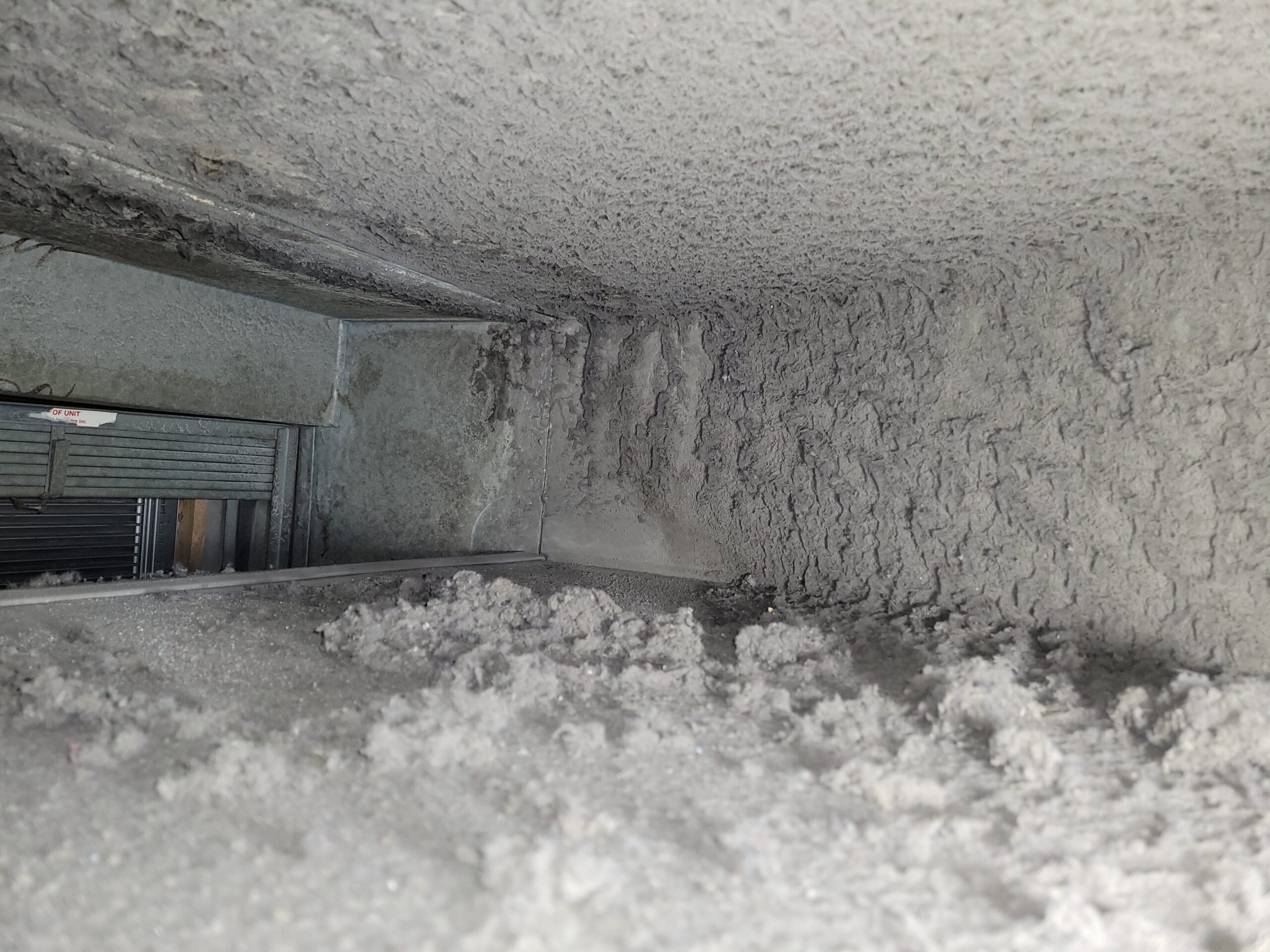
Where does the debris come from? Foot traffic carries grit that becomes airborne. Construction and tenant turnover add drywall dust. Carpets and furniture shed fibers. Pet dander rides along in jackets and backpacks. In the gym, rubber flooring and human effort combine into a fine dark powder that sticks to everything. Add outdoor particulates that make it past the filters, and the mix settles on duct walls, coils, fans, and grilles. Moisture condenses on cold surfaces, then binds particles into a film. Over a few seasons you can open a return riser and see a distinct gray lining that did not arrive from the factory.
read moreTwo areas are often worse than managers expect. First, the return side. Out of sight means out of mind, and return ducts frequently collect more mass than supplies. Second, dryer vents in shared laundry rooms. Lint accumulation is not just a cleanliness problem, it is a fire load. I have cut away a clump the size of a small dog from a booster fan shroud. It should have been a quarterly cleaning, not an archaeological dig.
Why you do it besides pride
The money case starts with energy. A dirty coil restricts heat exchange. The fan works harder, the compressor runs longer, and the kilowatt hours tick away. I have measured pressure drops across clogged prefilters that doubled the design value. That extra static pressure reduces airflow, which means reduced ventilation, which means more odor complaints and higher perceived humidity. In apartments with older residents or those sensitive to allergens, perceived becomes real quickly.
Air quality is the next lever. I do not promise medical miracles. No honest contractor does. But I have seen particulate counts in a lobby cut by a third after a comprehensive cleaning and filter upgrade, measured on a handheld particle counter in the 0.5 to 2.5 micron range over several hours. That range covers a lot of the dust and dander that annoys people. If you manage a pet-friendly building, that improvement gets noticed. If you manage a building next to a busy road, a better filter and clean ductwork reduce the black film that housekeeping fights.
Then there is compliance and risk. Kitchen exhaust in a shared lounge that sees weekend parties? NFPA 96 gives cleaning frequency guidance based on use, and “as needed” tends to arrive after you find grease drips. Dryer exhaust that winds 50 feet to the roof? The longer the run, the more lint you trap, and every joint is a place for buildup. Mechanical rooms that double as storage are another risk. I have moved more forgotten holiday displays away from returns than I care to admit.
Finally, optics matter. Residents judge a building by what they can see. Vents caked with fuzz near the elevator call panel send a message about the rest of the operation. When leasing tours pause under a supply diffuser above the leasing desk, they should not look up and see a gray halo.
What a professional cleaning actually covers
The phrase “commercial duct cleaning” can hide sloppy work. A contractor who pops off a few grilles, vacuums what is visible, and rehung them shiny has not cleaned your ducts. Good work follows a standard and makes a measurable difference. In North America, NADCA’s ACR standard lays out acceptable methods and documentation for duct cleaning. You do not need to memorize the manual. You do need to know what a thorough scope looks like in a multi-tenant property.
A proper visit starts with inspection. We look at the air handling units, not just the ducts. How dirty are the coils and drain pans? Is the blower wheel coated? What is the filter type and condition? Where can we open the duct to create access points without damaging fire-rated assemblies? Are there fire or smoke dampers in the path that must be protected and then restored? We check static pressures, note filter sizes, and tag any suspect microbial growth. If it looks like mold, the remediation plan changes and may involve a different license and containment protocol.
On the cleaning methods, agitation and capture matter for HVAC, not just shop vac enthusiasm. We use rotary brush systems and compressed air whips to dislodge debris. At the same time, we pull negative pressure through the duct with a HEPA-filtered vacuum collection unit. The negative pressure captures dislodged particles so they do not blow into occupied spaces. When access is limited, we cut and seal service openings, and we document those cuts for your building file. Grilles and diffusers get removed, washed, and disinfected where appropriate. Coils and drain pans get cleaned with coil-safe cleaners, and condensate drains are cleared. Fan housings get a full wipe down, then balanced if disturbed. If flexible ductwork is present in short runs to diffusers, we inspect for kinks or tears and replace anything that looks like a spring after a rough winter.
I am cautious with fogging and sealants. There is a place for EPA-registered disinfectants in limited, targeted applications, such as after a sewage leak in a return chase. Blanket antimicrobial fogging inside ducts is often theater unless there is a verified microbial issue and a containment plan. Sealants that claim to lock down residue can hide ongoing problems and can misbehave in high-velocity sections. If your contractor proposes either, ask for the why, the product safety data, and the performance track record on similar systems.
The rhythm of a cleaning day
You do not want surprises. The best jobs read like a tight load-in for a theater show. People, equipment, power needs, and pathing are mapped. Janitorial is looped in. Security knows names. Residents are notified early and often.
Here is a compact view of how a professional team typically moves through a common-area cleaning.
- Pre-job walk with the manager and building engineer. Confirm locations, power, water, and access. Place signage and barriers, and put absorbent mats at entrances. Protect adjacent finishes and furnishings. Drop cloths along traffic paths, plastic curtains around work areas, and painter’s tape labels on every diffuser that comes down. Isolate and power down the air handling unit. Lockout-tagout where required. Remove filters for disposal or cleaning as specified, then set up negative air collection on the ductwork. Agitate and extract. Work from supply trunk out to branches, and from returns back to the air handler. Clean coils, drain pans, blower wheels, and inside the unit. Replace access covers with sealed, labeled panels. Start up, verify, and document. Replace filters, restore power, measure static pressure and temperature split, then photograph critical areas. Provide a punch list and recommendations before anyone leaves the site.
Expect some noise, some ladders, and a little dust in the air despite best efforts. A respectful crew cleans as they go, stages equipment neatly, and coordinates with staff to open doors and elevators without holding anyone hostage.
How often does this make sense
There is no one clock that fits every building. A well-run mid-rise with MERV 13 filtration, a diligent housekeeping team, and stable occupancy can go three to five years between comprehensive duct cleanings, with annual coil and drain work. A pet-friendly high-rise with an active gym, frequent move-ins, and outdoor air grilles facing a busy street might need attention every two to three years. Shared laundry exhausts deserve a more aggressive schedule. Quarterly in heavy-use laundry rooms is not overkill. Semiannual can work if the runs are short and booster fans are sized well, but watch for telltales like extended dry times or warm cabinet surfaces.
Seasonality also influences timing. I like to schedule major work shoulder-season, early spring or early fall, when units are not fighting the hottest or coldest days. You have more flexibility to power down an air handler midday without blowing up comfort. If your building hosts holiday parties in the lounge, clean that kitchen exhaust in early November, not December 22.
Filtration, the quiet partner
You cannot clean your way out of poor filtration. I have crawled through immaculate ducts and then looked at a filter slot with a warped cardboard prefilter held in place by ambition. Filter upgrades deliver some of the fastest payback of any IAQ improvement, assuming your fan can handle the pressure. Many common-area systems can accept MERV 13 filters without major retrofits. MERV 13 captures a significant share of 0.3 to 1 micron particles, which includes smoke and many fine dusts. Check the fan curve against the added pressure drop. If a MERV 13 pushes your operating point into a sad part of the curve, consider a deeper filter bank, a dual-stage setup with a MERV 8 prefilter and a MERV 13 final, or a fan upgrade. Swapping in a cheap pleated filter that collapses after a month does more harm than good.
I also look at filter racks. Air goes where resistance is lowest. A one-inch gap around a filter turns your investment into a bypass tunnel. Gasket the edges. Add fasteners or clips so filters cannot rattle loose. Train maintenance to seat them correctly. A single misaligned filter can undo a cleaning in a season.
Coordinating with tenants without creating a circus
The technical piece is the easy part. The people piece is where managers earn their rent. Strong communication keeps residents cooperative and the front desk calm. I have seen buildings sabotage their own projects with vague flyers and last-minute notices that sound like a hostage ransom note.
A simple playbook helps.
- Notify residents two weeks ahead, then again two days ahead. Be specific about dates, times, and spaces affected. Offer alternate routes if hallways will be narrowed or blocked. Tell them what they will hear and see. Short bursts of noise, ladders, taped-off areas, a light smell of cleaner near the gym, and workers in marked uniforms.
When people know what to expect, they fill in less with their imagination. Include a contact email and phone that someone actually monitors during the workday. Offer a small amenity if you are shutting down the gym for a morning. Free bottled water or a few day passes to a nearby partner gym buy a lot of goodwill.
Also consider your staff. Front desk and security need the vendor list and schedule. Housekeeping should adjust vacuuming to the afternoon after work completes so they are not cleaning around you. If your building has strict elevator reservations, block a service elevator slot and pad the car to protect finishes. Nothing derails a day faster than a crew waiting for a ride while a resident moves a piano.
Pricing that passes the sniff test
I have seen bids that look like they were assembled with a dartboard. One number to clean “ducts and stuff,” no exclusions, no notes, and a signature line. You need a breakdown that reflects your building’s reality. Reasonable pricing structures vary. Some contractors price per air handling unit and per foot of duct. Others price per diffuser or per square foot of serviced area. For a mid-rise common-area system, a ballpark for thorough commercial duct cleaning can range from a few thousand dollars for a small single-AHU lobby and corridor setup, to tens of thousands for a complex with multiple risers, a large gym, and a rooftop lounge with long horizontal runs. Dryer exhaust cleaning is often priced per vertical stack or per machine, with a premium for roof access and booster fans.
Red flags in a cheap bid include a promise to “sanitize the entire system” with a magic spray, no mention of access panels, and no plan for protecting finishes. On the high side, watch for exclusions that push necessary steps into change orders, like “coil cleaning not included” when your coils clearly need help. Ask for references from similar buildings, not a school or a hospital, since occupancy patterns differ and so do duct configurations.
Edge cases that bite if you ignore them
Every property has its quirks. A few deserve early attention.
- Fire and smoke dampers. If your ducts penetrate fire-rated walls or floors, you almost certainly have dampers. Cleaning can dislodge debris that was holding a stuck damper half open or closed. That is good for safety and airflow, but it can reveal a control issue. Plan to have a qualified technician available if a damper misbehaves during testing, and be ready to document damper positions before and after. Mixed-use buildings. If your ground floor includes retail food, their exhaust might share shafts or sit near your outside air intake. Grease aerosol near your intake turns into sticky dust inside your system. Coordinate schedules and consider intake filters with higher oil capture efficiency. Relocating an intake can be cheaper than a lifetime of sticky ducts. Old liner and friable materials. Older duct systems often use internal fiberglass liner. Agitation can release fibers if the liner is degraded. A reputable contractor tests the condition and may recommend encapsulation or liner replacement before aggressive cleaning. Poking at a failing liner to make it look clean is worse than doing nothing. Economizers that never open. I have met economizers that were installed, commissioned, then abandoned. They sit stuck shut for years. When you clean and restore system performance, the controls might finally bring them into play. That can expose sticking dampers or sensors past their prime. Budget a little controls time post-cleaning to tune everything. Plenum returns above the ceiling. Many corridors use the ceiling space as a return plenum without dedicated return ducts. Cleaning that space means more than brushing a pipe. It means vacuuming the ceiling cavity and sealing obvious leaks around wall tops and penetrations so your system is not pulling air from utility shafts or the neighbor’s copy room.
Proof that the job was done well
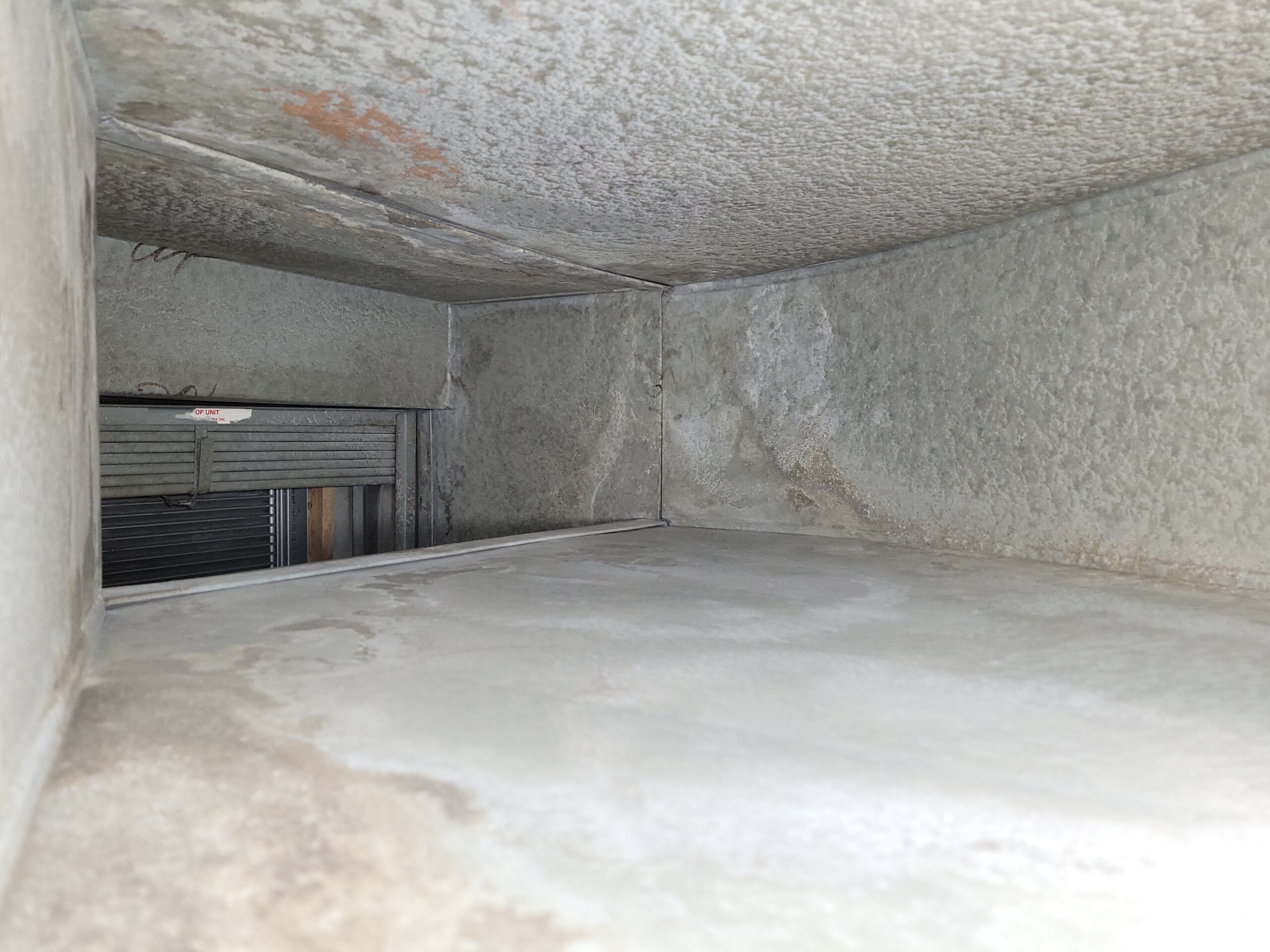
I always ask for documentation that tells a story, not just a certificate. Before and after photos of the same spot, with a date stamp and a recognizable marker, like a junction box or hanger, help. Static pressure readings before and after, taken at the same fan speed, reveal whether airflow improved. A short write-up on coil condition, drain pan cleanliness, and blower status should be standard. If filters were upgraded, include model numbers and MERV ratings. If access panels were cut, include a simple map so your maintenance team can find them later.
Some contractors offer optional particle counts before and after. Numbers can be noisy and day-dependent, but if taken consistently they provide a sense of change. Most importantly, your own senses should confirm it within a week. Fewer dust halos around diffusers. A fresher smell in the lobby that lasts beyond housekeeping’s last pass. Quieter complaints line.
Prevent the backslide
The week after a good cleaning is when habits matter most. Filters set the tone, but daily practices keep gains. If your housekeeping team uses a vacuum without a HEPA filter to clean carpets near supply diffusers, they are blowing fine dust back into the air you just improved. Upgrade their equipment. Check door sweeps and undercuts. Corridor pressure should be slightly positive to keep odors from drifting in and to encourage air to move under doors rather than through walls and chases. Train maintenance to check drain pans monthly in cooling season. A clogged condensate line creates a micro-swamp that drifts into the supply airstream.
Schedule mini-inspections seasonally. Pop a diffuser in a busy hallway and look. Lift a return grille in the gym and swipe a white cloth inside. If it comes back looking like a chimney cleaner after one season, adjust your schedule. Conditions change. Occupancy rises. A new pet policy or a renovated amenity can shift your load.
When to say no
Sometimes the best call is to hold off. If your system shows light dust but your filters have been terrible, fix filtration first, then reassess in a quarter. If an area shows suspected mold, pause duct cleaning and bring in a qualified remediation firm to test and plan. If your budget forces a choice between cleaning ducts and fixing a broken economizer damper that has strangled your outdoor air for a year, fix the damper. Dead air plus clean ducts is still dead air.
I also say no to overnight cleanings in residential buildings unless there is no alternative. Noise carries. Residents who work night shifts deserve predictable quiet. Early mornings and midday windows tend to balance comfort and progress.
A short field story
A 22-story building near the waterfront asked for help after a summer of steadily rising odor complaints in hallways. Housekeeping doubled up on fragrance dispensers, which made the air smell like a pine forest hiding a landfill. The AHU serving corridors had shiny new filters, but the return plenum above the drop ceiling told the real story. Renovation dust from unit turnarounds had been pulled into the plenum all spring, then caked to the liner. The drain pan under the cooling coil had a two-inch waterline ring and a biofilm worthy of a nature documentary. We set up negative air, cut access panels along the return path, cleaned the plenum and coil, resealed penetrations with mastic, and reset the economizer that had been pinned shut for a year. Filters were upgraded to MERV 13 with a proper gasket kit. Three days later the property manager called. The fragrance dispensers were off, the corridors felt less muggy, and the complaints stopped. The electric bill the next month ticked down by about 6 percent compared to the same month the year prior, weather-adjusted. Not magic, just maintenance done at the right moment.
The quiet victory
Great common areas feel effortless. The smell is neutral, the temperature steady, and the background noise a soft hush. That experience rests on a chain of not-very-exciting choices, led by regular inspection, solid filtration, and timely commercial duct cleaning. Do it with a plan and a partner who explains their work like a craft, not a one-act miracle. You will spend less energy on apologies and air fresheners, and more on the details residents do notice, like a lobby that looks as good as it feels.
Advanced Environmental Services Inc.
341 Stanley St, Winnipeg, MB R3A 1S7
+12042846390